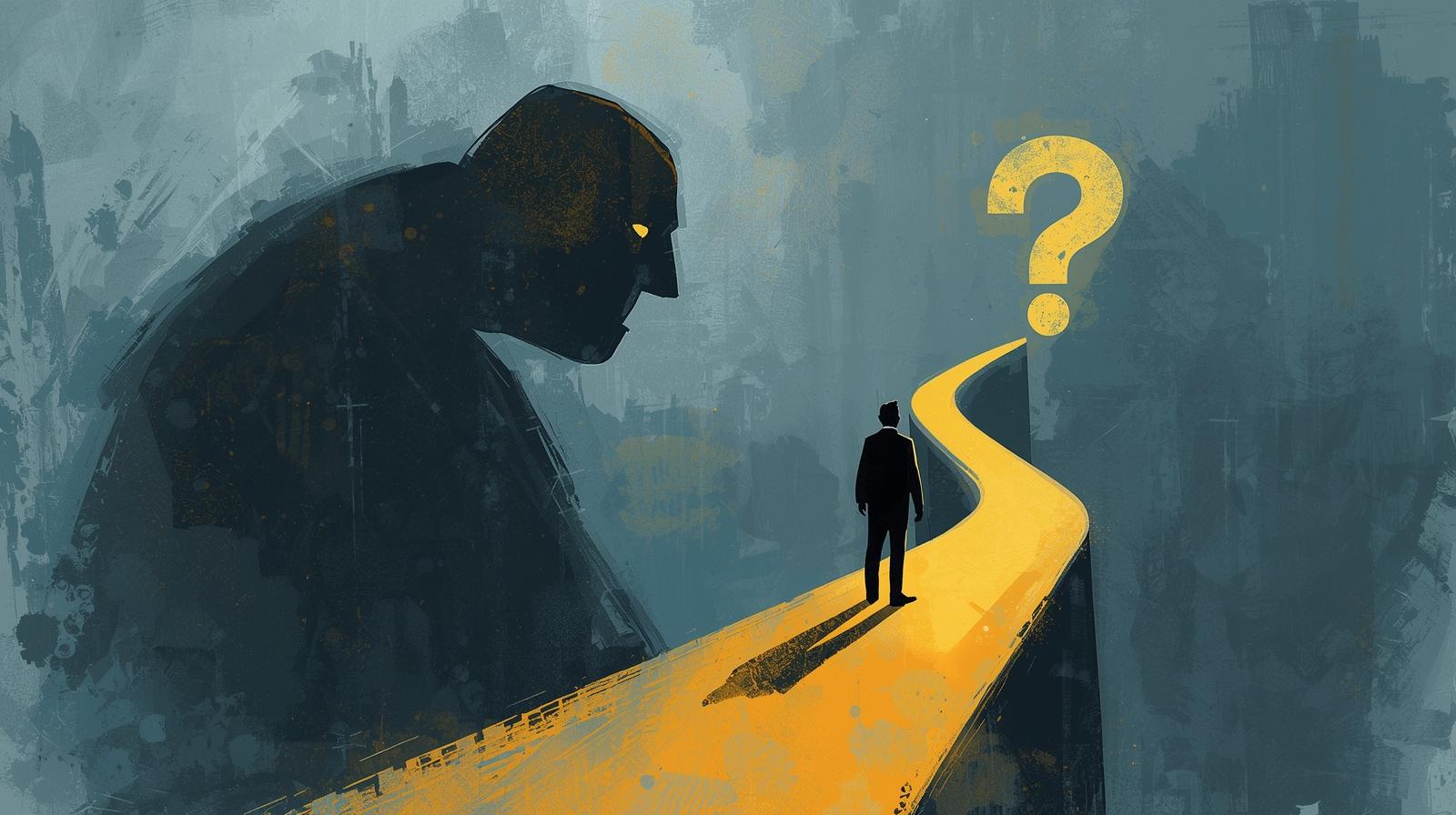
The Essence of Education Beyond Fear
Education is often misunderstood as a system of memorization, rigid assessments, and competition where students are afraid of making mistakes. In reality, true education does not thrive in environments filled with fear. When learners are worried about failure, their creativity, risk-taking, and willingness to explore diminish. Genuine learning begins when the pressure of failure is replaced with the freedom to ask questions, make errors, and learn from them. Fear restricts the mind, while curiosity liberates it.
The Role of Curiosity in Lifelong Learning
Curiosity is the fuel of discovery. When students are encouraged to be curious, they naturally become problem-solvers and innovators. Instead of focusing on avoiding failure, they focus on exploring possibilities. A curious mind asks why, how, and what if—and these questions open the doors to deeper understanding. Education systems that cultivate curiosity create learners who remain passionate about acquiring knowledge throughout their lives, rather than just preparing for exams.
Learning Through Failure: A Foundation for Growth
Mistakes are not the end of learning; they are the beginning. Failure offers valuable lessons that success often cannot. When learners are taught that failure is a natural step toward mastery, they develop resilience, persistence, and adaptability. For example:
- Failure builds problem-solving skills by forcing learners to think differently.
- Failure nurtures resilience by helping students recover stronger each time.
- Failure encourages innovation by proving that new approaches are always possible.
Education as Exploration, Not Evaluation
Traditional education has long emphasized evaluation through grades, rankings, and examinations. While assessments have their place, they should not overshadow the essence of learning, which is exploration. When education becomes a journey of curiosity, it motivates students to discover their interests, passions, and abilities. True education values the process over the outcome, allowing learners to grow beyond the limitations of fear.
The Shift from Pressure to Passion
To create an environment where curiosity flourishes, both teachers and parents need to redefine success. Success should not only mean high marks or perfect performance but also creativity, effort, and independent thinking. When students feel safe to explore, they transform pressure into passion. This shift changes education from being a duty to being a discovery.
Conclusion: Education Rooted in Freedom and Curiosity
True education begins when fear no longer dictates learning. It thrives where students embrace curiosity, see failure as a teacher, and view challenges as opportunities. In such an environment, learners develop not only knowledge but also wisdom, creativity, and confidence. The classrooms and homes that replace fear with freedom and curiosity will shape individuals who can lead, innovate, and contribute meaningfully to the world.